News: Naval & Defense Thermal System Technology Updates
Industry news about vapor chambers, printed circuit heat exchangers (PCHE), marine gas turbine intercoolers and defense electronics thermal management.
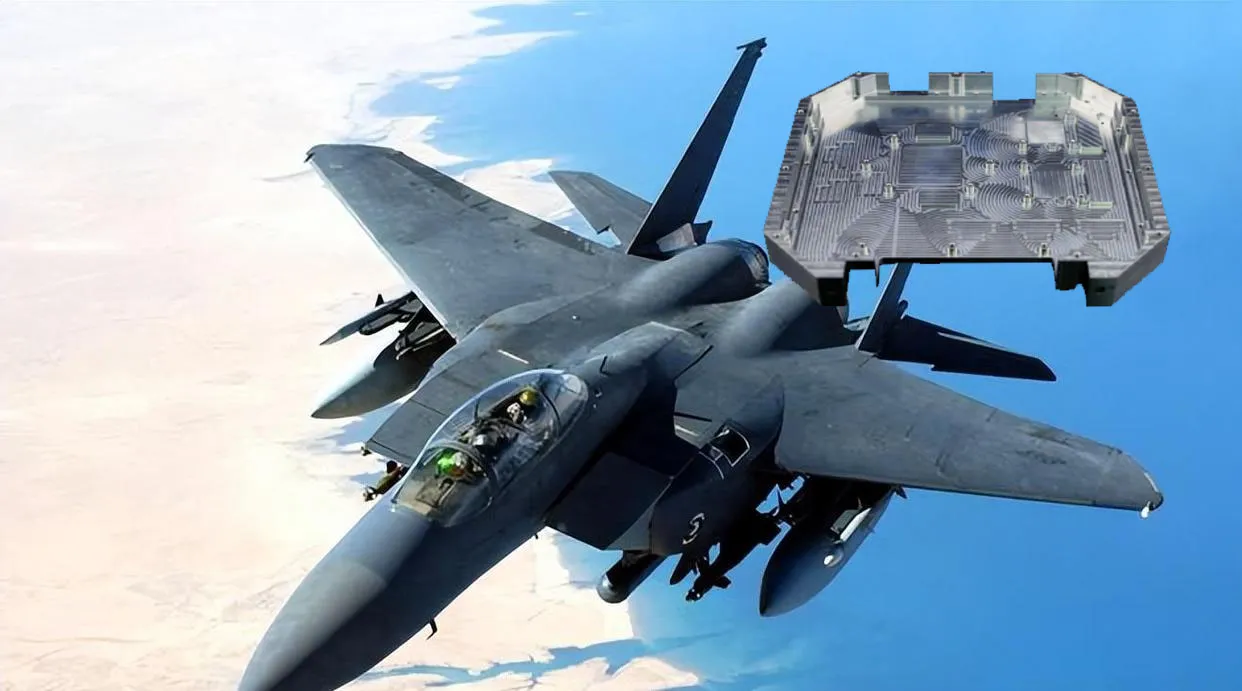
Defense Market Report: Steady‑growing Vapor Chamber Demand for Aerospace & Military Applications
The aerospace and defense sector makes up around 7.8 percent of the global vapor chamber market. Hardware serving military and aerospace projects faces stringent real‑world operating conditions, calling for long service life, high shock tolerance, and stable operation over wide temperature ranges. Military-grade vapor chamber for aerospace and defense thermal management Typical Application Scenarios of Military Vapor Chamber Military‑spec vapor chambers are widely applied in radar T/R modules,
Read More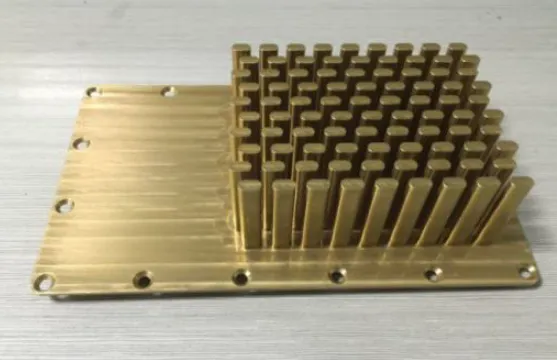
Printed Circuit Heat Exchangers Gain Wider Adoption in Naval and Defense Thermal Systems
Printed circuit heat exchangers, once a niche component confined to high-end research facilities, are now moving into mainstream naval and defense thermal systems as shipbuilders and defense integrators search for smaller, lighter and more efficient heat transfer hardware. Why PCHE Outperforms Traditional Shell-and-Tube Heat Exchangers The shift is driven by a straightforward engineering reality. Modern naval vessels pack more propulsion power, electronic warfare suites and auxiliary systems in
Read More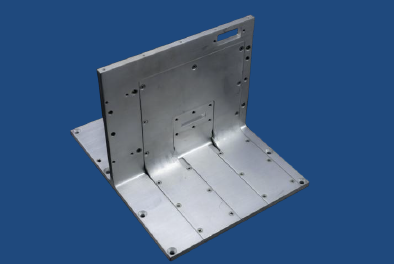
Vapor Chamber Gains Wider Adoption for Modern Defense Electronics Thermal Management
As gallium nitride (GaN) semiconductors revolutionize defense electronics, thermal management has emerged as the critical bottleneck determining system performance and mission reliability. Vapor chamber two-phase heat spreaders are rapidly transitioning from specialized niche components to essential thermal hardware across modern military electronic platforms — from airborne radar arrays to ship-borne communication systems and vehicle-mounted computing modules. The Thermal Challenge in Modern D
Read More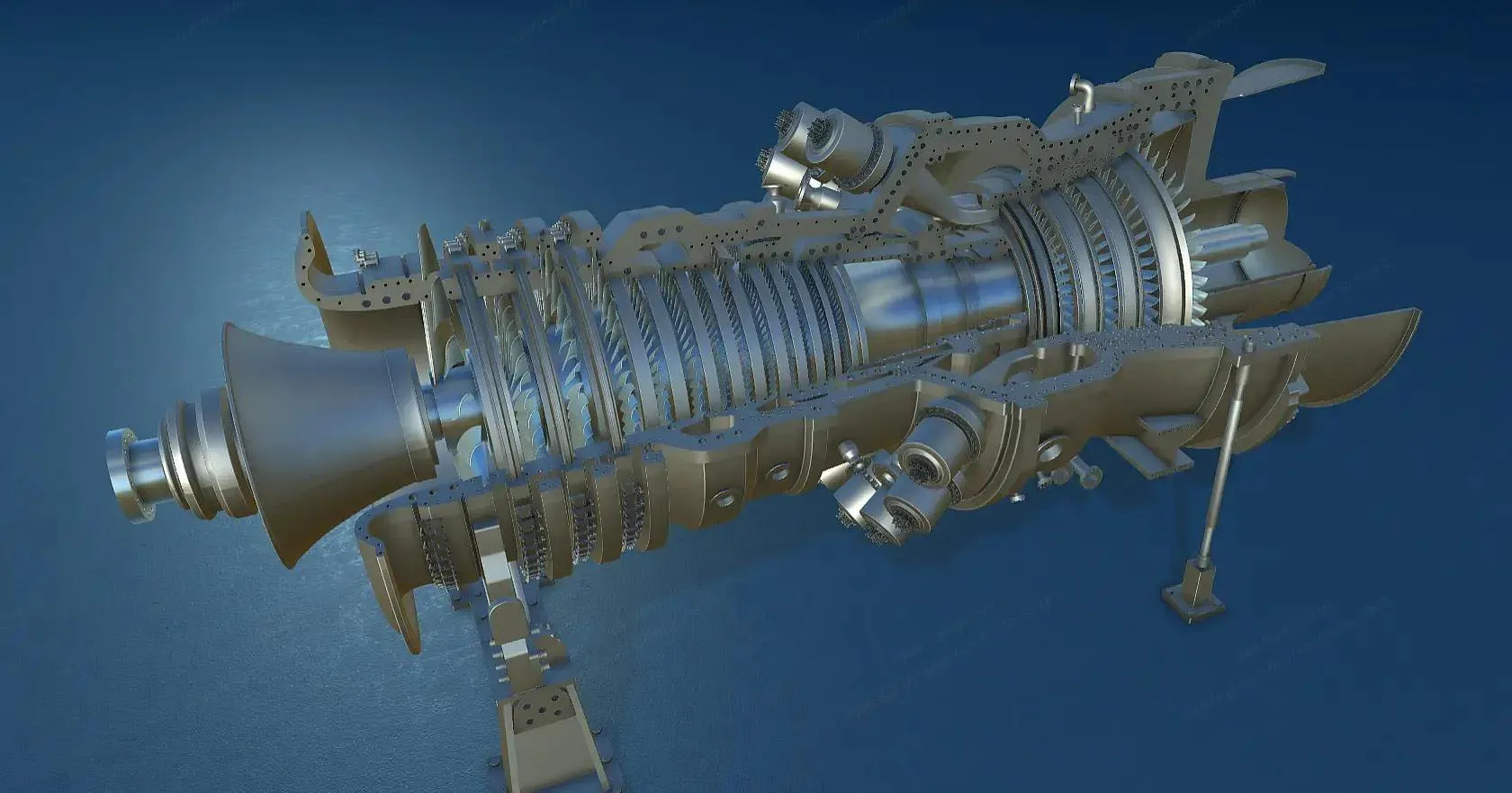
Marine Gas Turbine Intercooler Breakthrough: 81% Pressure Drop Cut Through PCHE Optimization
Why Intercoolers Matter on Naval Gas Turbines Intercooled-recuperated (ICR) gas turbines have long been favored for marine propulsion because they deliver better thermal efficiency at low load, higher power density, and lower noise and infrared signatures than simple-cycle designs. The intercooler sits between the low-pressure and high-pressure compressors, cooling the compressed air so the high-pressure compressor draws less work. The catch is real estate. On a warship, the intercooler has to
Read More